Author / James Ross Kelly

Let’s talk about how Trump might win…. – YouTube
The Story of Salvation: A Narrative Theology of Hell—Robin Parry – YouTube
Universal Salvation: A Whistle-Stop Introduction—Robin Parry – YouTube
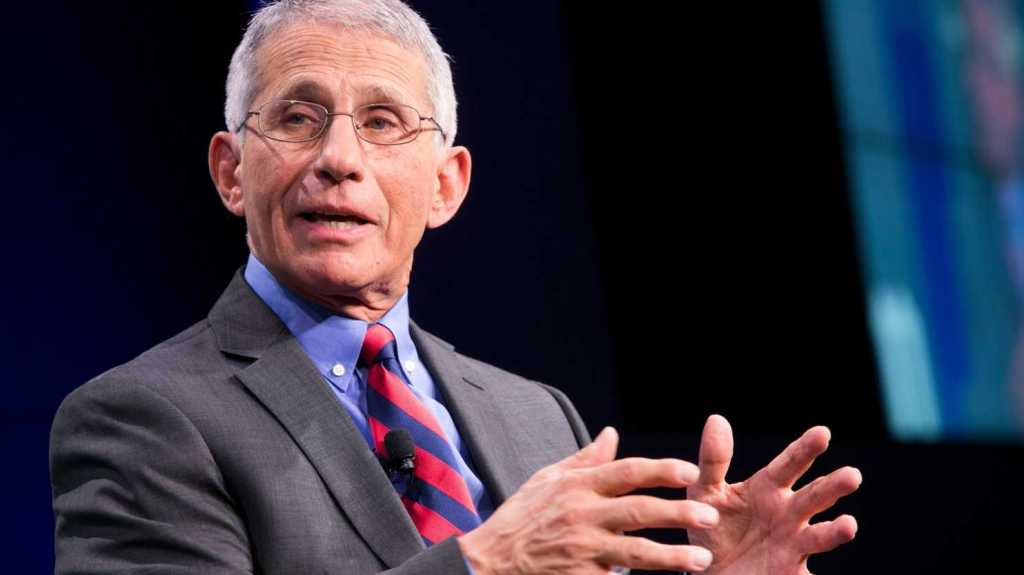
From Dr. Anthony Fauci:
“Chickenpox is a virus. Lots of people have had it, and probably don’t think about it much once the initial illness has passed. But it stays in your body and lives there forever, and maybe when you’re older, you have debilitatingly painful outbreaks of shingles. You don’t just get over this virus in a few weeks, never to have another health effect. We know this because it’s been around for years, and has been studied medically for years.
“Herpes is also a virus. And once someone has it, it stays in your body and lives there forever, and anytime they get a little run down or stressed-out they’re going to have an outbreak. Maybe every time you have a big event coming up (school pictures, job interview, big date) you’re going to get a cold sore. For the rest of your life. You don’t just get over it in a few weeks. We know this because it’s been around for years, and been studied medically for years.
“HIV is a virus. It attacks the immune system and makes the carrier far more vulnerable to other illnesses. It has a list of symptoms and negative health impacts that goes on and on. It was decades before viable treatments were developed that allowed people to live with a reasonable quality of life. Once you have it, it lives in your body forever and there is no cure. Over time, that takes a toll on the body, putting people living with HIV at greater risk for health conditions such as cardiovascular disease, kidney disease, diabetes, bone disease, liver disease, cognitive disorders, and some types of cancer. We know this because it has been around for years, and had been studied medically for years.
“Now with COVID-19, we have a novel virus that spreads rapidly and easily. The full spectrum of symptoms and health effects is only just beginning to be cataloged, much less understood.
So far the symptoms may include:
— Fever
— Fatigue
— Coughing
— Pneumonia
— Chills/Trembling
— Acute respiratory distress
— Lung damage (potentially permanent)
— Loss of taste (a neurological symptom)
— Sore throat
— Headaches
— Difficulty breathing
— Mental confusion
— Diarrhea
— Nausea or vomiting
— Loss of appetite
— Strokes have also been reported in some people who have COVID-19 (even in the relatively young)
— Swollen eyes
— Blood clots
— Seizures
— Liver damage
— Kidney damage
— Rash
— COVID toes (weird, right?)
“People testing positive for COVID-19 have been documented to be sick even after 60 days. Many people are sick for weeks, get better, and then experience a rapid and sudden flare up and get sick all over again. A man in Seattle was hospitalized for 62 days, and while well enough to be released, still has a long road of recovery ahead of him. Not to mention a $1.1 million medical bill.
“Then there is MIS-C. Multisystem inflammatory syndrome in children is a condition where different body parts can become inflamed, including the heart, lungs, kidneys, brain, skin, eyes, or gastrointestinal organs. Children with MIS-C may have a fever and various symptoms, including abdominal pain, vomiting, diarrhea, neck pain, rash, bloodshot eyes, or feeling extra tired. While rare, it has caused deaths.
“This disease has not been around for years. It has basically been 6 months. No one knows yet the long-term health effects, or how it may present itself years down the road for people who have been exposed. We literally *do not know* what we do not know.
“For those in our society who suggest that people being cautious are cowards, for people who refuse to take even the simplest of precautions to protect themselves and those around them, I want to ask, without hyperbole and in all sincerity:
“How dare you?
“How dare you risk the lives of others so cavalierly. How dare you decide for others that they should welcome exposure as “getting it over with”, when literally no one knows who will be the lucky “mild symptoms” case, and who may fall ill and die. Because while we know that some people are more susceptible to suffering a more serious case, we also know that 20 and 30-year-olds have died, marathon runners and fitness nuts have died, children and infants have died.
“How dare you behave as though you know more than medical experts, when those same experts acknowledge that there is so much we don’t yet know, but with what we DO know, are smart enough to be scared of how easily this is spread, and recommend baseline precautions such as:
— Frequent hand-washing
— Physical distancing
— Reduced social/public contact or interaction
— Mask wearing
— Covering your cough or sneeze
— Avoiding touching your face
— Sanitizing frequently touched surfaces
“The more things we can all do to mitigate our risk of exposure, the better off we all are, in my opinion. Not only does it flatten the curve and allow health care providers to maintain levels of service that aren’t immediately and catastrophically overwhelmed; it also reduces unnecessary suffering and deaths, and buys time for the scientific community to study the virus in order to come to a more full understanding of the breadth of its impacts in both the short and long term.
“I reject the notion that it’s ‘just a virus’ and we’ll all get it eventually. What a careless, lazy, heartless stance.”
Wall – YouTube
“Trump is such a coarse and appalling man,”–Burt Neuborne

“Trump is such a coarse and appalling man that it’s hard to stomach his presence in Abraham Lincoln’s house. But that’s not enough to explain the intensity of my dread. LBJ was coarse. Gerald Ford and George W. Bush were dumb as rocks. Richard Nixon was an anti-Semite. Bill Clinton’s mistreatment of women dishonored his office. Ronald Reagan was a dangerous ideologue. I opposed each of them when they appeared to exceed their constitutional powers. But I never felt a sense of existential dread. I never sensed that the very existence of a tolerant democracy was in play.” Burt Neuborne
Neuborne, Burt. When at Times the Mob Is Swayed (p. 21). The New Press. Kindle Edition
Leading Civil Rights Lawyer Shows 20 Ways Trump Is Copying Hitler’s Early Rhetoric and Policies | Common Dreams Views
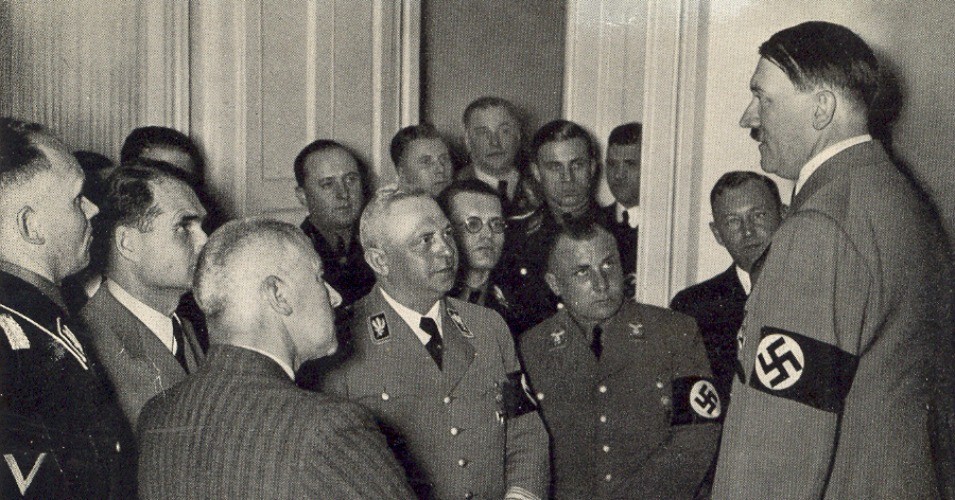
A younger Trump, according to his first wife’s divorce filings, kept and studied a book translating and annotating Adolf Hitler’s pre-World War II speeches in a locked bedside cabinet, [Burt] Neuborne noted. The English edition of My New Order, published in 1941, also had analyses of the speeches’ impact on his era’s press and politics. “Ugly and appalling as they are, those speeches are masterpieces of demagogic manipulation,” Neuborne says.“Watching Trump work his crowds, though, I see a dangerously manipulative narcissist unleashing the demagogic spells that he learned from studying Hitler’s speeches—spells that he cannot control and that are capable of eroding the fabric of American democracy,” Neuborne says. “You see, we’ve seen what these rhetorical techniques can do. Much of Trump’s rhetoric—as a candidate and in office—mirrors the strategies, even the language, used by Adolf Hitler in the early 1930s to erode German democracy.” COMMONDREAMS