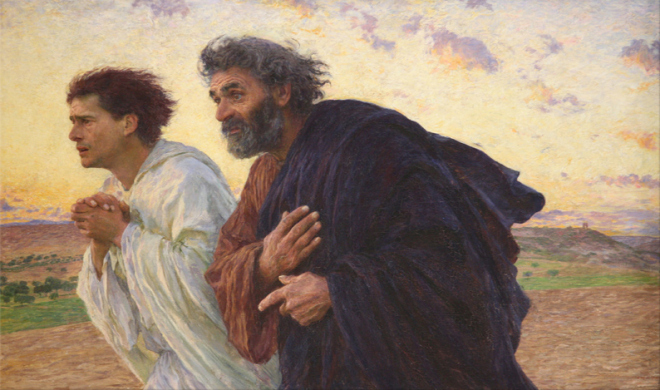
And The Fires We Talked About–is Available NOW!

Available Now!
From Lulu.com
From Amazon.com
From Barnes and Noble
Kelly’s stories are tough, real, honest, and always true. Unadorned by gimmick or artifice, the pieces in this collection—all framed between the imagined voices of that most primal couple, Adam and Eve—carry us deep into the heart of a wild American world that in many ways (and most definitely for a lot of younger people) sadly no longer exists. The human settings of these stories—bars, strip clubs, dingy apartments, goldmines, ranches, logging crews, homesteads, highways—are rich with details and textures that linger long after the closing sentences. Beyond those, however, there’s always a sense of something even larger and older surrounding the often small, sometimes strange, yet always compelling events his narrators are recounting. Sometimes this larger thing is the natural world—the oceans and forests, the plants and animals—always placing the events into their proper context. At other times, it’s the human interactions themselves that somehow seem to take on this greater, at times even mythic, weight and power. Reading these pieces, we recognize how the hungers and desires, the fears and hopes, the regrets and epiphanies of his people have all somehow entered our cultural DNA, and how—like them–it’s up to each of us to come to terms with all the beauty and terror that comes with being alive.
Dave Sims
After 30+ years of teaching in colleges, universities, military bases, and prisons from Alaska to Louisiana, Dave Sims retired to the mountains of central Pennsylvania where he now dwells and creates. His most recent comix appear in The Nashville Review, Talking Writing, and Freeze Ray, and panels from his digital painting sequence “Somewhere Around the Edges,” appear on the cover and in the Winter 2019 issue of The Raw Art Review.
What Oregon authors say about this book:
“This book is good company. And I appreciate the opportunity to associate with intriguing folks out there where I rarely venture.”
Lawson Fusao Inada, emeritus professor of English at Southern Oregon University, Oregon Poet Laureate, and author of Before the War: Poems as They Happened, and Legends from Camp, which won an American Book Award in 1994.
“The remarkable thing about this collection—how often it touched my heart. These stories have a soul.”
Robert Leo Heilman, author Children of Death, and Overstory Zero: Real Life in Timber Country (Winner of the Andres Berger Award for Pacific Northwest Nonfiction 1996).
“Caught Up in the Air” by James Ross Kelly – True Chili
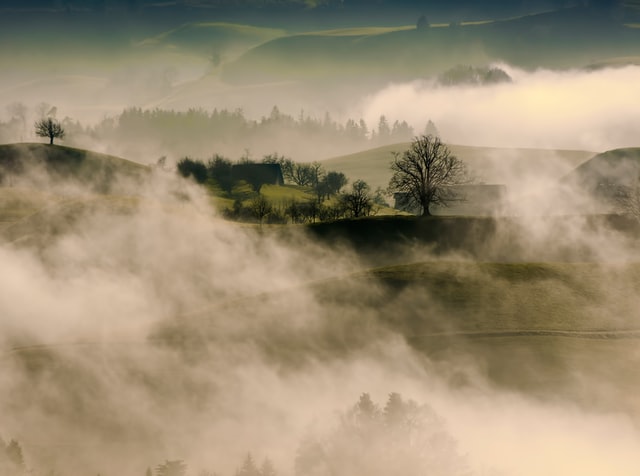 A DOZEN OR MORE three-hundred-year-old black oaks spread over the top of the south side hill of our farm with a two-acre pasture on top and our house sat on the edge and overlooked a small twenty-acre valley bottom with Reese Creek and across it at the far side and then there was a similar hill of Ponderosa pine and Douglas fir to complete the farms north edge as a cross section of a small valley running from our house south to north.
Source: “Caught Up in the Air” by James Ross Kelly – True Chili
Cee Lo Green and Daryl Hall – I Can’t Go For That – YouTube
“the most crucial task”–David Bentley Hart
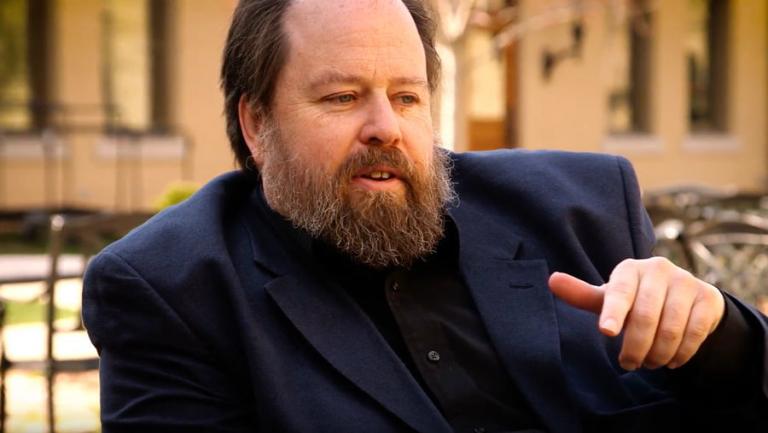
It may be that the most crucial task incumbent upon theology today is that of finally overcoming the overcoming of metaphysics. For roughly five centuries now, theological reasoning has found itself assailed by the same tedious but persistent refrain: the ringing imperative that it strip itself of philosophical tradition’s glitteringly gorgeous but cumbersome panoply of categories and concepts, so that it might again rush with youthful lightness of limb—chastened, humbled, naked, but finally free—into the embrace of the God who reveals himself only to the eyes of faith.
Remarks Made to Jean-Luc
Marion regarding
Revelation and Givenness
Hart, David Bentley Theological Territories . University of Notre Dame Press. Kindle Edition.
Remarks Made to Jean-Luc
Marion regarding
Revelation and Givenness
Hart, David Bentley (2020-04-14T23:58:59). Theological Territories . University of Notre Dame Press. Kindle Edition. Hart, David Bentley (2020-04-14T23:58:59). Theological Territories . University of Notre Dame Press. Kindle Edition.
And the Fires We Talked About: Kelly, James Ross: Amazon.com: Books
Gehenna – Jewish Views of the Afterlife
According to Jewish tradition Gehenna is an afterlife realm where the souls of the unrighteous are punished.
“Caught Up in the Air” by James Ross Kelly – True Chili
A DOZEN OR MORE three-hundred-year-old black oaks spread over the top of the south side hill of our farm with a two-acre pasture on top and our house sat on the edge and overlooked a small twenty-acre valley bottom with Reese Creek and across it at the far side and then there was a similar hill of Ponderosa pine and Douglas fir to complete the farms north edge as a cross section of a small valley running from our house south to north.
See original Source: “Caught Up in the Air” by James Ross Kelly – True Chili
The Mysterious Sator Square | Keith Giles
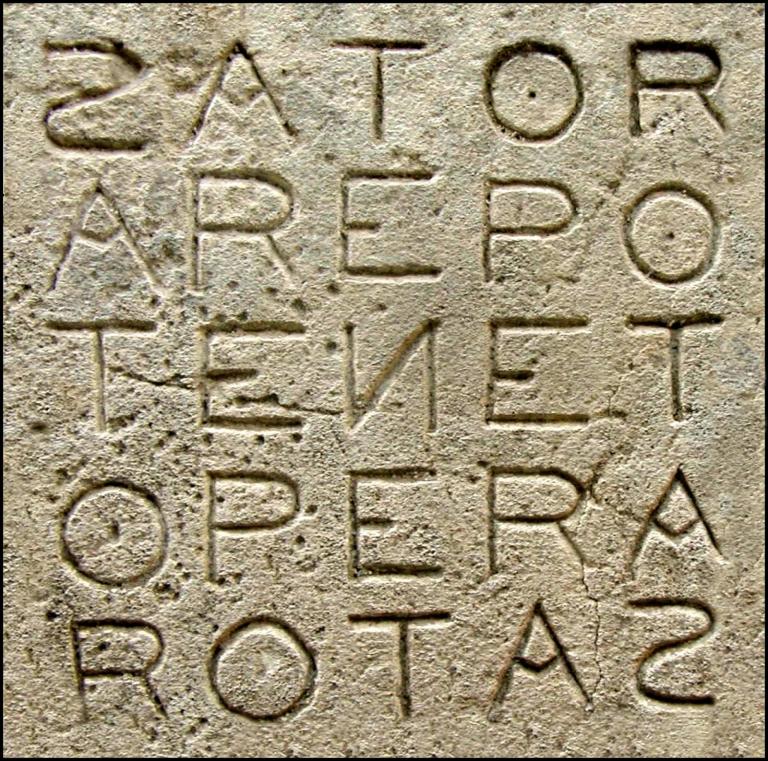 Discovered in the ruins of a Pompeii house covered in the ash of Mount Vesuvius’ eruption in 79 AD, this was found etched into the wall of a home: R O T A […]
Black Elk: Lakota Holy Man, Catholic Catechist
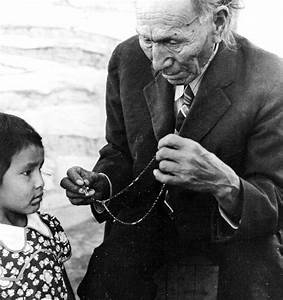
In his book Black Elk Speaks, author John Neihardt interviewed a Lakota holy man who recounted pre-reservation life and events he witnessed, including Custer’s Last Stand and the Wounded Knee massacre. Later, anthropologist Joseph Epes Brown interviewed Black Elk about Lakota religious traditions for his book The Sacred Pipe (1953). Both works are touched with a certain sadness, that of a man whose best days have passed. Together they introduced millions to the richness of Native American traditions. But Black Elk’s prestige among his own people had little to do with these books. It was based more on his ministry as a Catholic catechist on South Dakota reservations. A convert to Catholicism, for fifty years he helped prepared people for baptism, led prayer meetings, organized events for Native American Catholics, and worked as a lay missionary to the Lakota (also called Sioux).
 St. John One: One