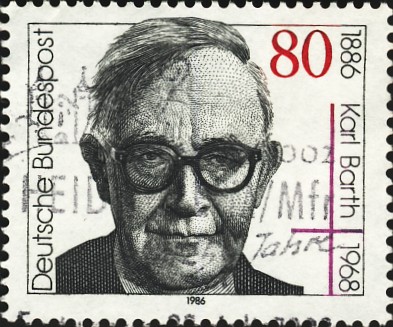
“The church exists to set up in the world a new sign which is radically dissimilar to the world’s own manner and which contradicts it in a way that is full of promise.”
Karl Barth
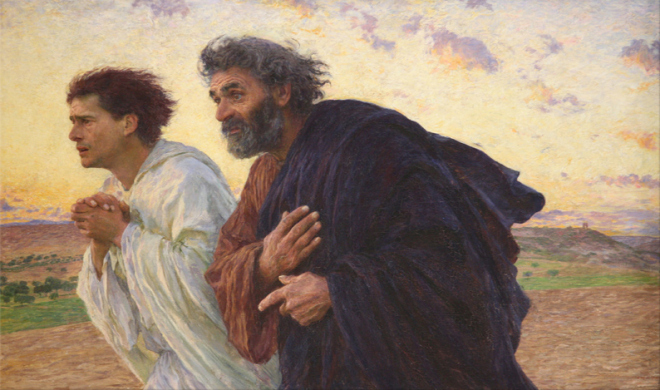
“The church exists to set up in the world a new sign which is radically dissimilar to the world’s own manner and which contradicts it in a way that is full of promise.”
Karl Barth
 As a young man, I was challenged to read the world’s best-selling book from cover to cover. At a young age I had fallen in love with books. In Junior High […]
Source: God Sees Your Heart (When No One Else Can) | Keith Giles
Fill out a form to Register, or call 1-800-791-5314.
 Bill Clinton gutted welfare and criminalized the poor, all while funneling more money into the carceral state.
Source: How a Democrat Killed Welfare
 The more I study the Bible, the more concerned I am with how translators have altered the texts to serve their own agendas. Most Christians are […]
Source: Why Certain Words Are Left Out Of Our English Bibles | Keith Giles
 Making digital conversations humane will require defining our online relationships
Source: Do You Know Who Your ‘Friends’ Are? – The New Atlantis
The στoιχεȋα τoȗ κóσμoυ (stoicheia tou kosmou) are the elemental spirits of the universe that oppress all humanity, the enslaving conditions of human existence as such (see on Rom 8: 38– 39; 1 Cor 15: 20; Phil 2: 5– 11). By saying “we” (4: 3), Paul includes himself. The evil powers had commandeered God’s good law, just as they had taken control of God’s good creation. All human beings, whether Jew or Gentile, were under the same oppressive slavery. God’s sending forth Christ “in the fullness of time” is a matter of God’s apocalyptic timetable, set by God himself in the divine plan for salvation history. It is not a matter of God waiting for, or preparing, good historical conditions (Roman roads, widespread Greek language, etc.) as preparation for the Christian mission. The saving event is thought of in apocalyptic terms: enslaved humanity, God’s liberating act in the Christ event. As in Philippians 2: 5– 11 the preexistent Christ enters into the limitations of human existence in order to allow the divine act of liberation, so here Christ enters into the human situation by being born under the law. The divine invasion from the transcendent world is an act of apocalyptic liberation. Former slaves are now free; no longer slaves, they are adopted as sons (υἱoí, huioi, “children” in the NRSV’s gender-inclusive language). In the power of the Spirit, they address God with the intimate, family language of “Abba.” As in 3: 1– 5, Paul appeals to the Galatians’ corporate experience of the Spirit as proof that they already fully belong to God’s people without complying with the additional prescriptions of biblical law made by the teachers’ talk of angels. The rival missionaries “want to exclude you,” that is, they do not become like the Galatians, but maintain their “professional distance,” impressing the Galatians with their credentials, while Paul numbered himself among his converts as a brother and fellow disciple within the community of faith where such distinctions have been abolished (3: 27– 28). “I am again in the pain of childbirth” (4: 19) reveals Paul’s pastoral heart. He is not the self-centered, authoritarian, distant figure he is sometimes made out to be. Despite his sharp critique of them, he loves them with a mother’s heart. As he once labored to give them birth, the present crisis is a renewal of labor pains, and he must now “reconvert” them, with all the pain and labor involved.
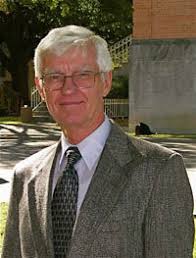
An Introduction to the New Testament: History, Literature, Theology Eugene M. Boring, Westminster John Knox Press. Kindle Edition (Kindle Locations 583-9610).
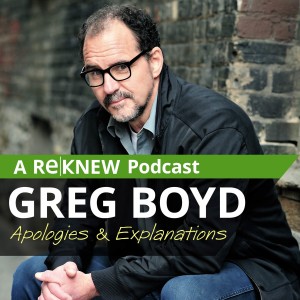 Greg Boyd and Thomas Jay Oord talk about Open Theism and how Greg’s views differ from Thomas’s.
 St. John One: One