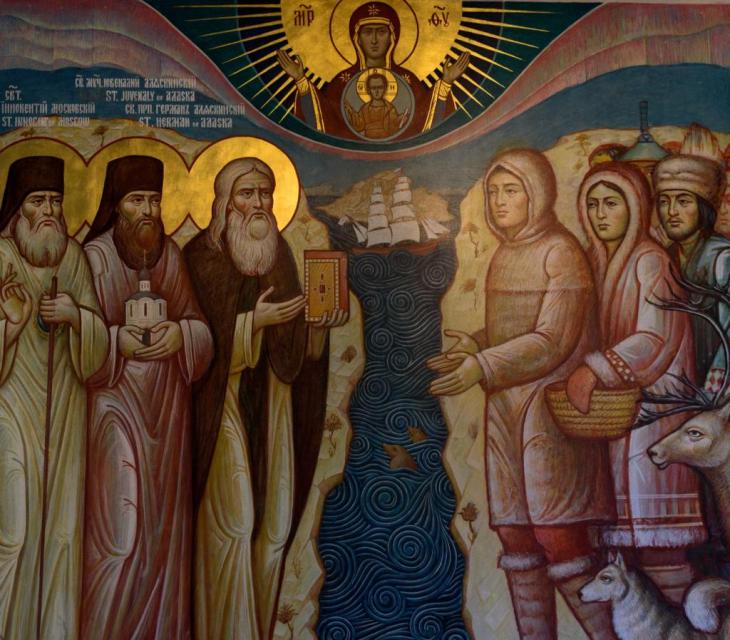
Is there any room for a view of theology that is both progressive as well as orthodox? Do the two ways of thinking contradict one another? On the one hand, […]
Source: Deconstructing Evangelical Orthodoxy | Eric Scot English
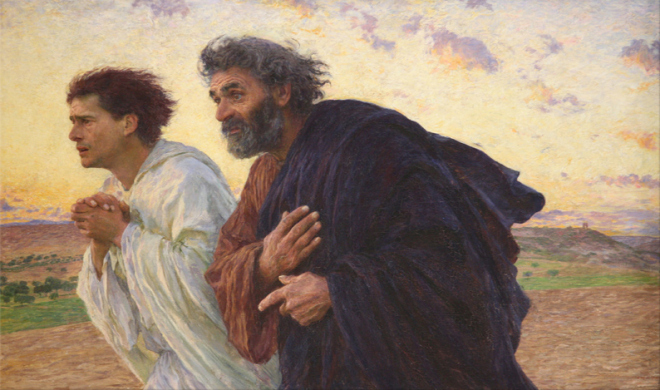
Is there any room for a view of theology that is both progressive as well as orthodox? Do the two ways of thinking contradict one another? On the one hand, […]
Source: Deconstructing Evangelical Orthodoxy | Eric Scot English
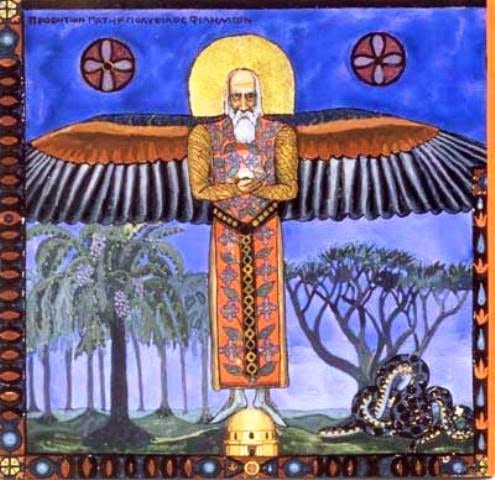
C.G. Jung Letters, Vol. 1: 1906-1950 Who is Jung’s Philemon? Dr. Jung replied, “Only myself.” ~Carl Jung to Alice Raphael in 1935 My Philemon and Baucis… have nothing to do with that …
Source: Who is Jung’s Philemon? Dr. Jung replied, “Only myself.” – Carl Jung Depth Psychology

It’s bracing, though, to encounter the idea rendered anew in Joe Jackson’s new book, Black Elk: The Life of an American Visionary (Farrar, Straus and Giroux, 2016). Jackson, a former investigative reporter and the author of six historical nonfiction books, chronicles the life of the Lakota medicine man made famous by the controversial Black Elk Speaks. Published in 1932, that book grew out of a long series of interviews between the titular Native American prophet and John Gneisenau Neihardt, an Anglo Great Plains poet of some Depression-era renown. Though initially a publishing bust, it was rereleased in the 1960s and is now a standard text in the canon of American dissident spirituality.
Source: Black Elk, Woke | Ann Neumann

When it comes to the book of Revelation there are ultimately two camps: Futurists (who believe the book tells us something about future events that have not happened yet) and Preterists (who believe the book told First Century Christians about events that would “soon come to pass” in their lifetime).

In the weeks leading up to the deadly insurrection at the U.S. Capitol on Jan. 6, a handful of Americans — well-known politicians, obscure local bureaucrats — stood up to block then-President Donald Trump’s unprecedented attempt to overturn a free and fair vote of the American people.
Source: ‘Slow-motion insurrection’: How GOP seizes election power | AP News

In December 1914, socialist leader Eugene V. Debs sent a Christmas letter to a man in a Michigan prison. We reprint the message here in full.
Rev. Angela Cowser, a cofounder of the Institute for Christian Socialism, argues that a society rooted in the dictates of the Gospel would look radically different from the one we have now. There is a name for what that change should look like: socialism.
Source: To Rev. Angela Cowser, “the Biblical Basis for Socialism Is Undeniable”
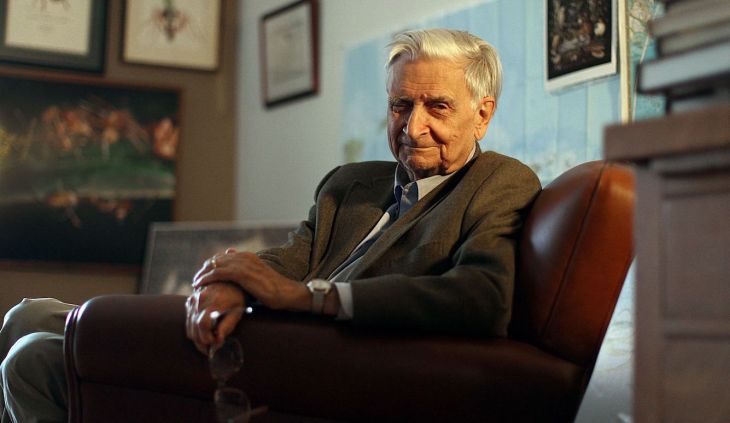
EOW: I think that work has been very productive. It helped move Evangelicals more decisively into conservation. Once they see what they call “the Left,” the environmentalists and the scientists—what Rush Limbaugh, that expert on climate change, has called “the granola-crunching tree-huggers”—are not necessarily the dangerous threat they thought, they are not as aggressive. I understand Evangelicals well. They circle the wagons, but they are afraid of all these happenings. Once they see they could form a non-threatening alliance for a transcendent purpose, then they could move forward. That’s why I wrote the book. You have 42 percent of the American people who might be rallied for the environment, particularly for conservation.
 St. John One: One