Palm Sunday–Triumphal Entry! by William Barclay


6580492-jesus-on-palm-sundayThe Beginning of the Last Act (Matt 21:1-11)
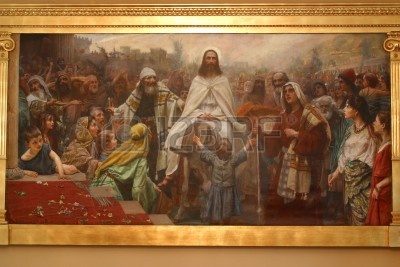
21:1-11 When they had come near to Jerusalem, and when they had come to Bethphage, to the Mount of Olives, then Jesus sent on two disciples ahead. “Go into the village which is facing you,” he said, “and immediately you will find an ass tethered, and a colt with her. Loose them, and bring them to me. And, if anyone says anything to you, say, ‘The Master needs them.’ Immediately he will send them on.” This was done that there might be fulfilled that which was spoken through the prophet, when he said, “Say to the daughter of Sion, Look you, your king comes to you, gentle, and riding upon an ass, and a colt, the foal of a beast who bears the yoke.” So the disciples went, and they carried out Jesus’ orders, and they brought the ass and the colt, and put their cloaks upon them; and he took his seat on them. The very large crowd spread their cloaks on the road. Others cut down branches from the trees and strewed them on the road; and the crowds who went in front and followed behind kept shouting, “Hosanna to the Son of David! Blessed in the name of the Lord is he who comes. Hosanna in the highest!” As he entered Jerusalem, the whole city was shaken. “Who is this?” they asked; and the crowds said, “This is the prophet, Jesus, who comes from Nazareth in Galilee.”

William Barclay 1907-1978

William Barclay 1907-1978

With this passage we embark on the last act in the drama of the life of Jesus; and here indeed is a dramatic moment.
It was the Passover time, and Jerusalem and the whole surrounding neighbourhood was crowded with pilgrims. Thirty years later a Roman governor was to take a census of the lambs slain in Jerusalem for the Passover and find that the number was not far off a quarter of a million. It was the Passover regulation that there must be a party of a minimum of ten for each lamb which means that at that Passover time more than two and a half million people had crowded their way into Jerusalem. The law was that every adult male Jew who lived within twenty miles of Jerusalem must come to the Passover; but not only the Jews of Palestine, Jews from every corner of the world made their way to the greatest of their national festivals. Jesus could not have chosen a more dramatic moment; it was into a city surging with people keyed up with religious expectations that he came.
Nor was this a sudden decision of Jesus, taken on the moment. It was something which he had prepared in advance. The whole tone of the story shows that he was carrying out plans which he had made ahead. He sent his disciples into “the village” to collect the ass and her foal. Matthew mentions Bethphage only (the pronunciation is not Bethphage with the age as in the English word page; the “e” at the end is pronounced as “ae”; the word is Bethphagae). But Mark also mentions Bethany (Mk 11:1). No doubt the village was Bethany. Jesus had already arranged that the ass and her foal should be waiting for him, for he must have had many friends in Bethany; and the phrase, “The Master needs them,” was a password by which their owner would know that the hour which Jesus had arranged had come.
So Jesus rode into Jerusalem. The fact that the ass had never been ridden before made it specially suitable for sacred purposes. The red heifer which was used in the ceremonies of cleansing must be a beast “upon which a yoke has never come” (Num 19:2; Deut 21:3); the cart on which the ark of the Lord was carried had to be a vehicle which had never been used for any other purpose (1 Sam 6:7). The special sacredness of the occasion was underlined by the fact that the ass had never been ridden by any man before.
The crowd received Jesus like a king. They spread their cloaks in front of him. That is what his friends had done when Jehu was proclaimed king (2 Ki 9:13). They cut down and waved the palm branches. That is what they did when Simon Maccabaeus entered Jerusalem after one of his most notable victories (1 Macc 13:51).
They greeted him as they would greet a pilgrim, for the greeting: “Blessed be he who enters in the name of the Lord” (Ps 118:26) was the greeting which was addressed to pilgrims as they came to the Feast.
They shouted “Hosanna!” We must be careful to see what this word means. Hosanna means Save now! and it was the cry for help which a people in distress addressed to their king or their god. It is really a kind of quotation from Ps 118:25: “Save us, we beseech Thee, O Lord.” The phrase, “Hosanna in the highest!” must mean, “Let even the angels in the highest heights of heaven cry unto God, Save now!”
It may be that the word hosanna had lost some of its original meaning; and that it had become to some extent only a cry of welcome and of acclamation, like “Hail!”; but essentially it is a people’s cry for deliverance and for help in the day of their trouble; it is an oppressed people’s cry to their saviour and their king.
Barclay’s Daily Study Bible (NT).
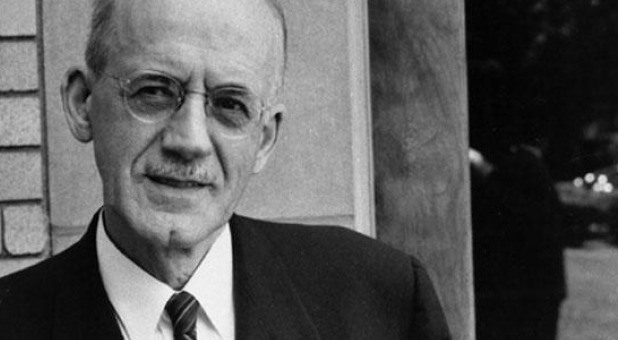
from Gifts of the Spirit: Necessity in the Church–by A.W. Tozer


aw-tozerDo you dare to accept the fact that the sovereign God had designed to do all of His work through spiritually-gifted men and women? Therefore, He does all of His work on earth through humble and faithful believers who are given spiritual gifts and abilities beyond their own capacities.

Let me shock  you at this point: A naturally bright person can carry on religious activity without a special gift from God. Filling church pulpits every week are some who are using only natural abilities and special training. Some are known as Bible expositors, for it is possible to read and study commentaries and then repeat what has been learned about the Scriptures.

Yes, it may shock you, but it is true that anyone able to talk fluently can learn to use religious phrases and can become recognized as a preacher.

But if any man is determined to preach so that his work and ministry will abide in the day of the judgement fire, then he must preach, teach and exhort with the kind of love and concern that comes only through a true and genuine gift of the Holy Spirit–something beyond his own capabilities!


A.W. Tozer; Gifts of the Spirit: Necessity in the Church, Chapter 7;  The Tozer Pulpit, Vol.7 p.89; 1978 Christian Publications Inc. 

Reasons To Believe : Lewis’s Mere Christianity Relevant Today


C.S. Lewis

C.S. Lewis

Reasons To Believe : Lewis’s Mere Christianity Relevant Today.

By Kenneth Samples


Reasons To Believe : How Young-Earth Creationism Became a Core Tenet of American Fundamentalism, Part 2


Reasons To Believe : How Young-Earth Creationism Became a Core Tenet of American Fundamentalism, Part 2.

Convince Me There’s A God – Archaeology 10


faithandselfdefense's avatarFaith & Self Defense

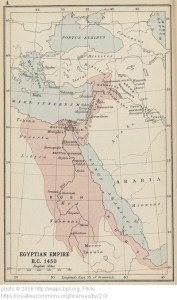
Ancient Middle East MapI used to think that Christians were ignorant to believe the “stories” in the Bible. I was taught those stories as a child, but I grew up to “know” they weren’t true. Or did I?

My investigation into the claims of theists about the existence of God and Christians about the existence of God’s Son led me into a study of archaeology in 1971. I was especially interested in archaeological expeditions from the Middle East because much of the Old Testament was written in and about that area of the world. I was a bit surprised to discover that many archaeological findings pointed to the “possibility” that people written about in the Old Testament may have actually lived at the time the writers claimed.

But what about the claim that a small family left Canaan, entered Egypt, grew to great numbers, were forced into slavery, then were freed from slavery…

View original post 1,524 more words

Watch “Jesus Among Other gods – Ravi Zacharias” on YouTube


Watch “Creationism vs Naturalism: Which side is Science?- Ravi Zacharias answering a question” on YouTube


N. T. Wright on Paul and the Faithfulness of God: A Conversation about Preaching – YouTube


N. T. Wright on Paul and the Faithfulness of God: A Conversation about Preaching – YouTube.

Rylands Library Papyrus P52


P52_recto-John

250px-Rylands_papyrus To date  P52 is the oldest extant verse discovered from the New Testament at approximately 125 AD. I find it interesting that almost the whole of the Gospel is stated in these words from this tiny fragment.

From Wikipedia, the free encyclopedia

The papyrus is written on both sides and hence must be from a codex, a sewn and folded book, not a scroll, roll or isolated sheet; and the surviving portion also includes part of the top and inner margins of the page. The recto consequently preserves the top left corner of a right-hand page; while the verso preserves the top right corner of a left-hand page. The characters in bold style are the ones that can be seen in Papyrus \mathfrak{P}52.

Gospel of John 18:31-33 (recto)

ΟΙ ΙΟΥΔΑΙΟΙ ΗΜΕIΝ ΟΥΚ ΕΞΕΣΤΙΝ ΑΠΟΚΤΕΙΝΑΙ
OYΔΕΝΑ ΙΝΑ Ο ΛΟΓΟΣ ΤΟΥ ΙΗΣΟΥ ΠΛΗΡΩΘΗ ΟΝ ΕΙ-
ΠΕΝ ΣHΜΑΙΝΩΝ ΠΟΙΩ ΘΑΝΑΤΩ ΗΜΕΛΛΕΝ ΑΠΟ-
ΘΝHΣΚΕΙΝ ΙΣΗΛΘΕΝ ΟΥΝ ΠΑΛΙΝ ΕΙΣ ΤΟ ΠΡΑΙΤΩ-
ΡΙΟΝ Ο ΠIΛΑΤΟΣ ΚΑΙ ΕΦΩΝΗΣΕΝ ΤΟΝ ΙΗΣΟΥΝ
ΚΑΙ ΕΙΠΕΝ ΑΥΤΩ ΣΥ ΕΙ O ΒΑΣΙΛΕΥΣ ΤΩΝ ΙΟΥ-
ΔAΙΩN

the Jews, “For us it is not permitted to kill
anyone,” so that the word of Jesus might be fulfilled, which he sp-
oke signifying what kind of death he was going to
die. Entered therefore again into the Praeto-
rium Pilate and summoned Jesus
and said to him, “Thou art king of the
Jews?”

200px-P52_versoGospel of John 18:37-38 (verso)

ΒΑΣΙΛΕΥΣ ΕΙΜΙ ΕΓΩ ΕΙΣ TOΥΤΟ ΓΕΓΕΝΝΗΜΑΙ
ΚΑΙ (ΕΙΣ ΤΟΥΤΟ) ΕΛΗΛΥΘΑ ΕΙΣ ΤΟΝ ΚΟΣΜΟΝ ΙΝΑ ΜΑΡΤY-
ΡΗΣΩ ΤΗ ΑΛΗΘΕΙΑ ΠΑΣ Ο ΩΝ EΚ ΤΗΣ ΑΛΗΘΕI-
ΑΣ ΑΚΟΥΕΙ ΜΟΥ ΤΗΣ ΦΩΝΗΣ ΛΕΓΕΙ ΑΥΤΩ
Ο ΠΙΛΑΤΟΣ ΤΙ ΕΣΤΙΝ ΑΛΗΘΕΙΑ ΚAΙ ΤΟΥΤO
ΕΙΠΩΝ ΠΑΛΙΝ ΕΞΗΛΘΕΝ ΠΡΟΣ ΤΟΥΣ ΙΟΥ-
ΔΑΙΟΥΣ ΚΑΙ ΛΕΓΕΙ ΑΥΤΟΙΣ ΕΓΩ ΟΥΔEΜΙΑΝ
ΕΥΡΙΣΚΩ ΕΝ ΑΥΤΩ ΑΙΤΙΑΝ

a King I am. For this I have been born
and (for this) I have come into the world so that I would test-
ify to the truth. Everyone who is of the truth
hears of me my voice.” Said to him
Pilate, “What is truth?” and this
having said, again he went out unto the Jews
and said to them, “I find not one
fault in him.”

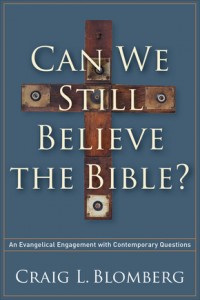
Can We Still Believe the Bible?


Daniel B. Wallace's avatarDaniel B. Wallace

Can-We-Still-Believe-the-Bible-200x300

Craig Blomberg, Distinguished Professor of New Testament at Denver Seminary, has written another outstanding volume. Blomberg is a committed evangelical, but not one with a closed mind. As he says in his preface about the environment of Denver Seminary (quoting Vernon Grounds, former president of the school), “Here is no unanchored liberalism—freedom to think without commitment. Here is no encrusted dogmatism—commitment without freedom to think. Here is a vibrant evangelicalism—commitment with freedom to think within the limits laid down by Scripture.” Blomberg’s writings have always emulated this philosophy. His research in the secondary literature is consistently of superb quality, and his discussions of problem passages and issues, especially in the Gospels, is always well informed. Rather than clutter the narrative with documentation, Blomberg has wisely used endnotes instead of footnotes (though I personally prefer footnotes, I understand that most readers see them as a distraction). This book has nearly…

View original post 3,073 more words