Author / James Ross Kelly

Dr. Cornel West “People Are Afraid of Freedom” | Joe Rogan – YouTube
Someone’s crazy uncle..

Policy Statement and Review: Psilocybin Therapy for Emotional Suffering Caused by Terminal Illness – End of Life Washington

Phillip Yancey on C.S. Lewis on politics

Coming soon from UnCollected Press–Black Ice & Fire–Poems by James Ross Kelly


previews:
Kelly reads from the upcoming book:
Poem for the Beer Drunk Fishermen
In March, 1964 the Anchorage Earthquake sent a Tsunami down the Pacific Coast from Alaska to hit Crescent City, California causing major damage and 10 fatalities. Several of the fatalities happened to men sitting in a bar who thought it would be a good idea to get some six packs to go– and watch the Tidal Wave come in down at the Crescent City pier.
Great Leaders Model Magnanimity, Not Malice | Great Leaders Model Magnanimity of Spirit, Not Malice
“With malice toward none, with charity for all, with firmness in the right as God gives us to see the right, let us strive on to finish the work we are in, to bind up the nation’s wounds, to care for him who shall have borne the battle and for his widow and his orphan, to do all which may achieve and cherish a just and lasting peace among ourselves and with all nations.” Abraham Lincoln
Source: Great Leaders Model Magnanimity, Not Malice | Great Leaders Model Magnanimity of Spirit, Not Malice
Beau of the Fifth Column–Let’s talk about Trump saving the Faith…. – YouTube
PSA?
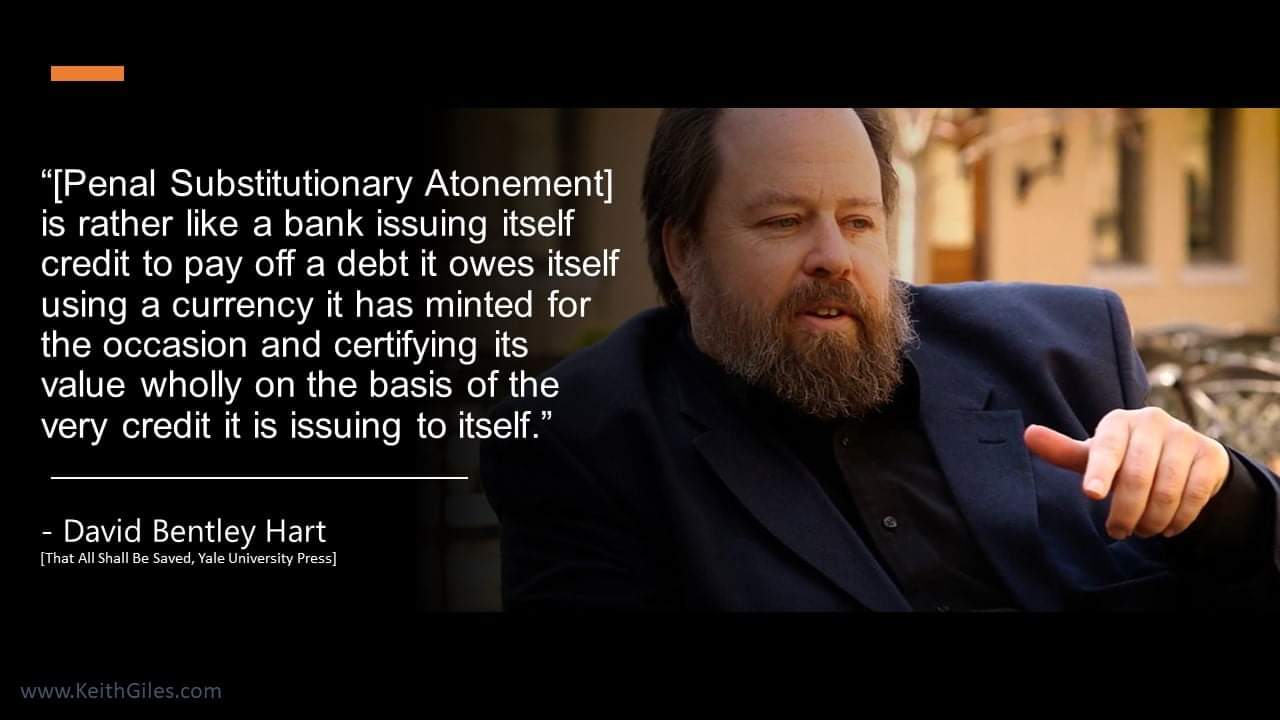
All Means All—Even Trump | All Means All- Even Trump
- Dear Progressive Christians, deconstructed Christians, post-Christians, and all the rest of you that still identify your beliefs under the influence or guidance of Jesus’ teachings, where are your grace and mercy? I haven’t seen it in many years. I started following your work, I read your books, and I listened to your podcasts so that I could learn to break away from hateful ideologies of fundamental Christianity, particularly Evangelicalism. But lately, all I see is a new batch of fundamentalism and it seems to all be situated on hatred for Trump, those who support Trump, and anyone that you may perceive as a Trump supporter simply because they are white. DANIELLE KINGSTROM
Source: All Means All—Even Trump | All Means All- Even Trump

