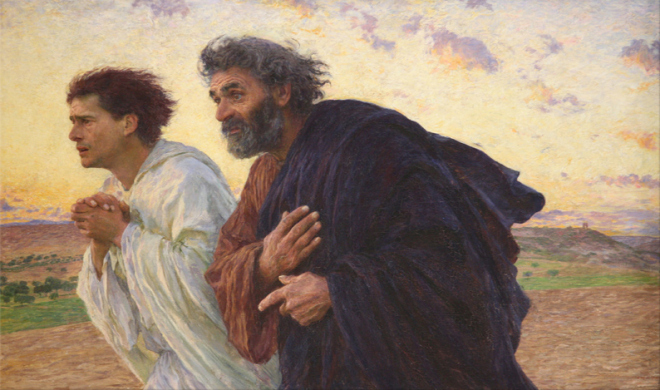
Author / James Ross Kelly

Reasons To Believe : Is a Global Flood Scientifically Possible?

There Is No Freedom Outside of Rest | In Focus
Judaisms’ brainwashing against Jesus – YouTube

Zachariah’s prophecy about the crucifixion of the Messiah – YouTube
Why Do The Rabbis Really Reject Jesus? – YouTube
4 Ways to Subdue the Strongholds of Shame | Kris Vallotton

The Keystone Cops and the Religious Spirit | Kris Vallotton

Top Planned Parenthood Exec: Baby Parts Sales “A Valid Exchange,” Can Make “A Fair Amount of Income” – YouTube
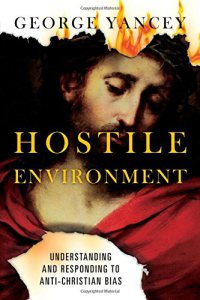
Book Review: Hostile Environment

 George Yancey (PhD, University of Texas) is professor of sociology at the University of North Texas, specializing in race/ethnicity, biracial families and anti-Christian bias. He is the author, coauthor or coeditor of books such as Compromising Scholarship: Religious and Political Bias in American Higher Education, Dehumanizing Christians: Cultural Competition in a Multicultural World, There Is No God: Atheists in America, Beyond Black and White, Beyond Racial Gridlock and Just Don’t Marry One. He is working to start the first academic unit on a secular campus that focuses on research that serves Christians and Christian organizations. (InterVarsity Press author introduction)
Dr. Yancey’s new book, Hostile Environment: Understanding and Responding to Anti-Christian Bias, is important for all Christians to read because it explores the growing anti-Christian bias in our society. Yancey calls it ‘Christianaphobia;’ defined as ‘an irrational animosity towards or hatred of Christians, or Christianity in…
View original post 880 more words

